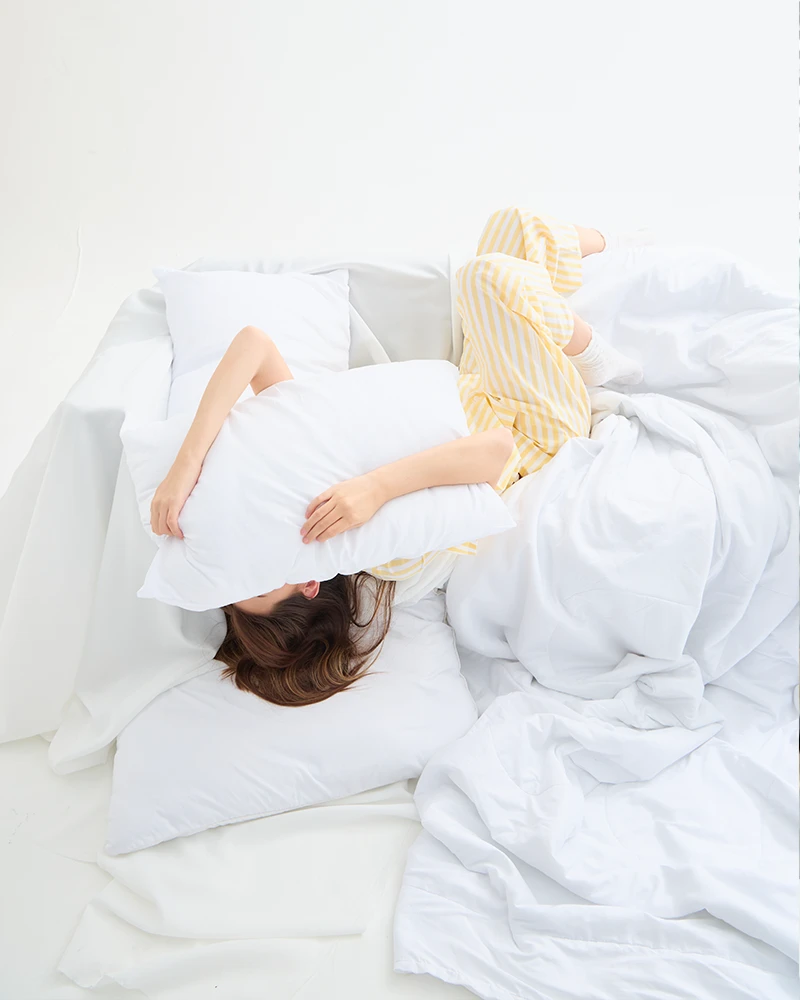
If you’re someone who loves sleeping on your side—whether it’s the left side, the right side, or switching sides throughout the night—you’re definitely not alone. Side sleeping is actually one of the most common sleep positions in the world, and it’s healthier than many people realize.
But how can you sleep on your side the right way—without waking up with back pain, a stiff neck, or numb arms? And is there really a difference between sleeping on your left side and your right?
Let’s take a closer look together.
Why Is Side Sleeping Good for You?
Sleeping on your side can help your breathing work more smoothly than sleeping on your back, especially if you snore or experience acid reflux. When done properly, side sleeping can gently reduce these issues and help you rest more comfortably.
It also helps distribute your body weight more evenly, so certain areas don’t feel too much pressure. This makes side sleeping a great option for anyone who often deals with back or neck discomfort.
Left Side vs. Right Side — Which One Is Better?
1. Sleeping on the left side — a gentle hero for digestion
- Helps reduce acid reflux, as the position of the stomach makes it harder for acid to travel upward
- Supports better blood circulation, especially around the heart
- A good choice for those who enjoy late-night meals and head to bed soon after
2. Sleeping on the right side — relaxed and easy breathing
- May feel more comfortable for people with breathing or lung-related concerns
- Helps reduce pressure on the heart, allowing the body to fully relax
Many people find that sleeping on the right side helps them fall asleep faster
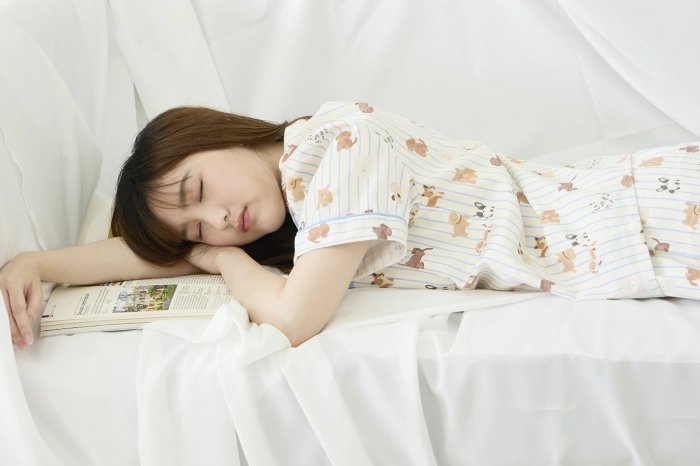

How to Sleep on Your Side in a Healthier Way
1. Choose a pillow that supports your neck
Your pillow should keep your head aligned with your spine—not tilting too high or too low. A pillow that’s too flat can cause neck strain and stiffness in the morning.
2. A pillow between your knees is a game changer
Placing a small pillow between your knees helps keep your spine in a natural position. It’s especially helpful for reducing lower back and hip pain if you sleep on your side for long hours.
3. Bend your knees slightly
A gentle bend in your knees allows your back muscles to relax, helping your body feel more at ease as you drift off to sleep.
4. Don’t curl up too tightly
Sleeping in a very curled position—like hugging your knees too close—can lead to neck and upper back tension. Try to keep your posture relaxed and natural.
Side sleeping is a wonderful sleep position that supports better breathing, helps reduce acid reflux, and eases back discomfort. But truly good sleep comes from more than just posture—it also depends on the right pillow, mattress, and one small detail many people overlook: sleepwear.
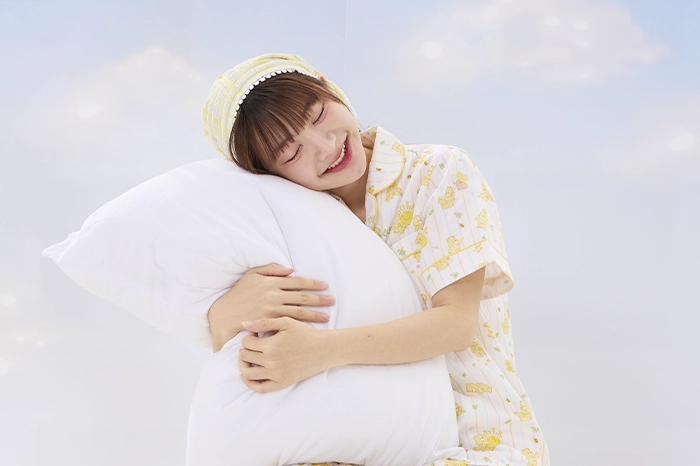
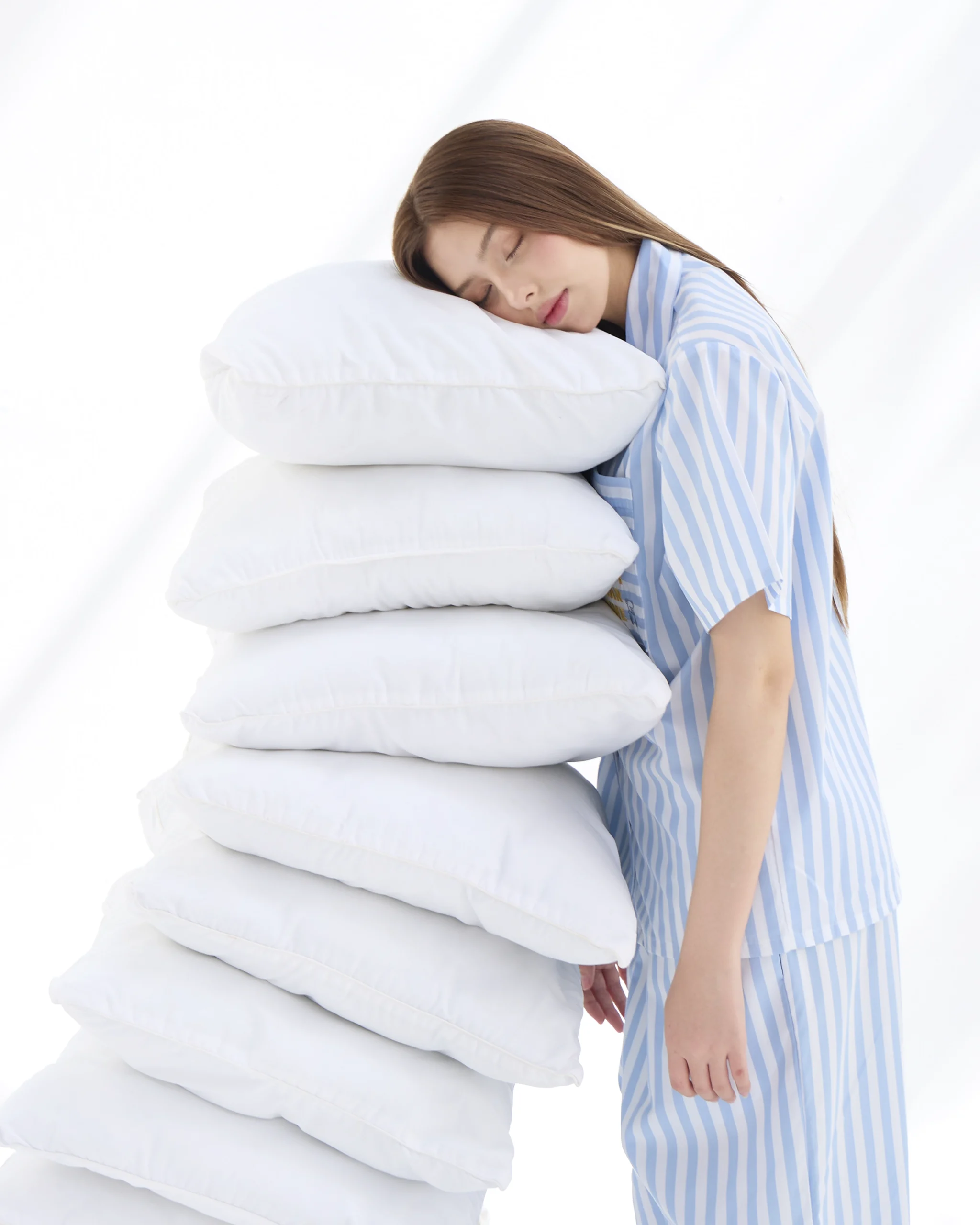
Soft, lightweight, and breathable sleepwear like Sliptosleep helps your body fully relax. It feels gentle on the skin, allows easy movement when you turn at night, and keeps you comfortable in every sleep position—whether you sleep on your side, your back, or anywhere in between.
Sweet dreams and restful nights 🌙